From Legacy Equipment to Modern Integrated Platform: Transforming the Learning at IIT (BHU)
An alumni-supported initiative brings modern, integrated instrumentation to undergraduate electronics education, opening new possibilities for hands-on learning, experimentation, and design.
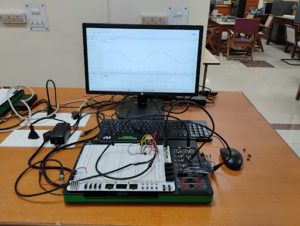
The Devices and Circuits Laboratory, an undergraduate teaching lab in the Department of Electronics Engineering, IIT (BHU), has received a major technological upgrade through the generous support of the institute’s alumni. With the introduction of the NI/Digilent Analog Discovery Studio Max (ADS Max), an integrated, computer-connected test and prototyping platform, the laboratory is poised to offer a more modern, efficient, and engaging experimental learning experience to hundreds of undergraduate students every year. The initiative highlights the power of academic and alumni collaboration in enhancing educational infrastructure.
Motivation, Momentum, and Mission Accomplished:
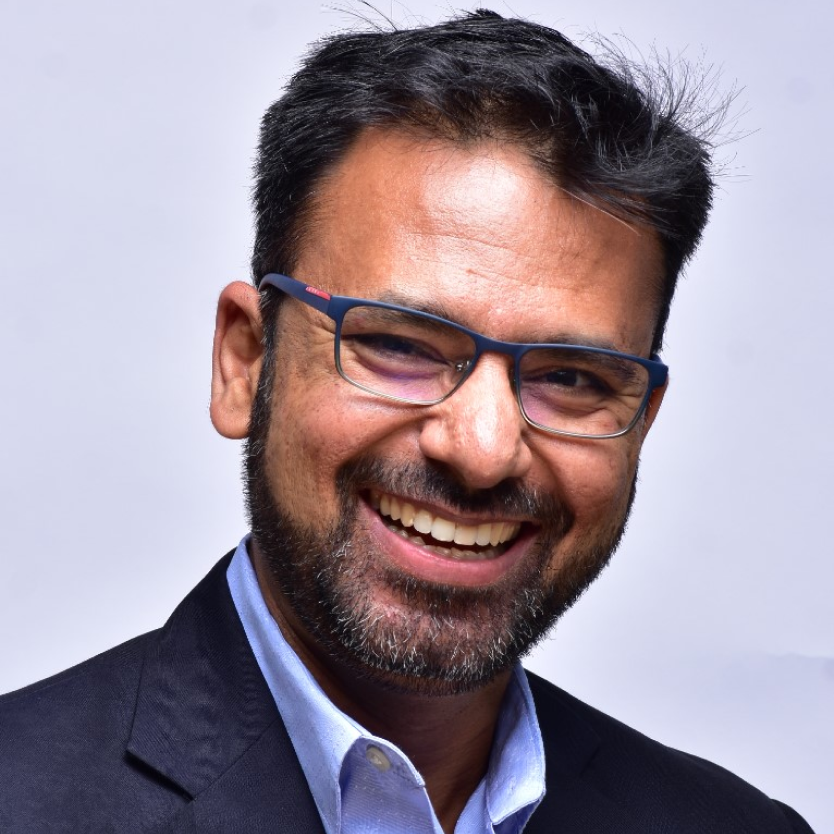
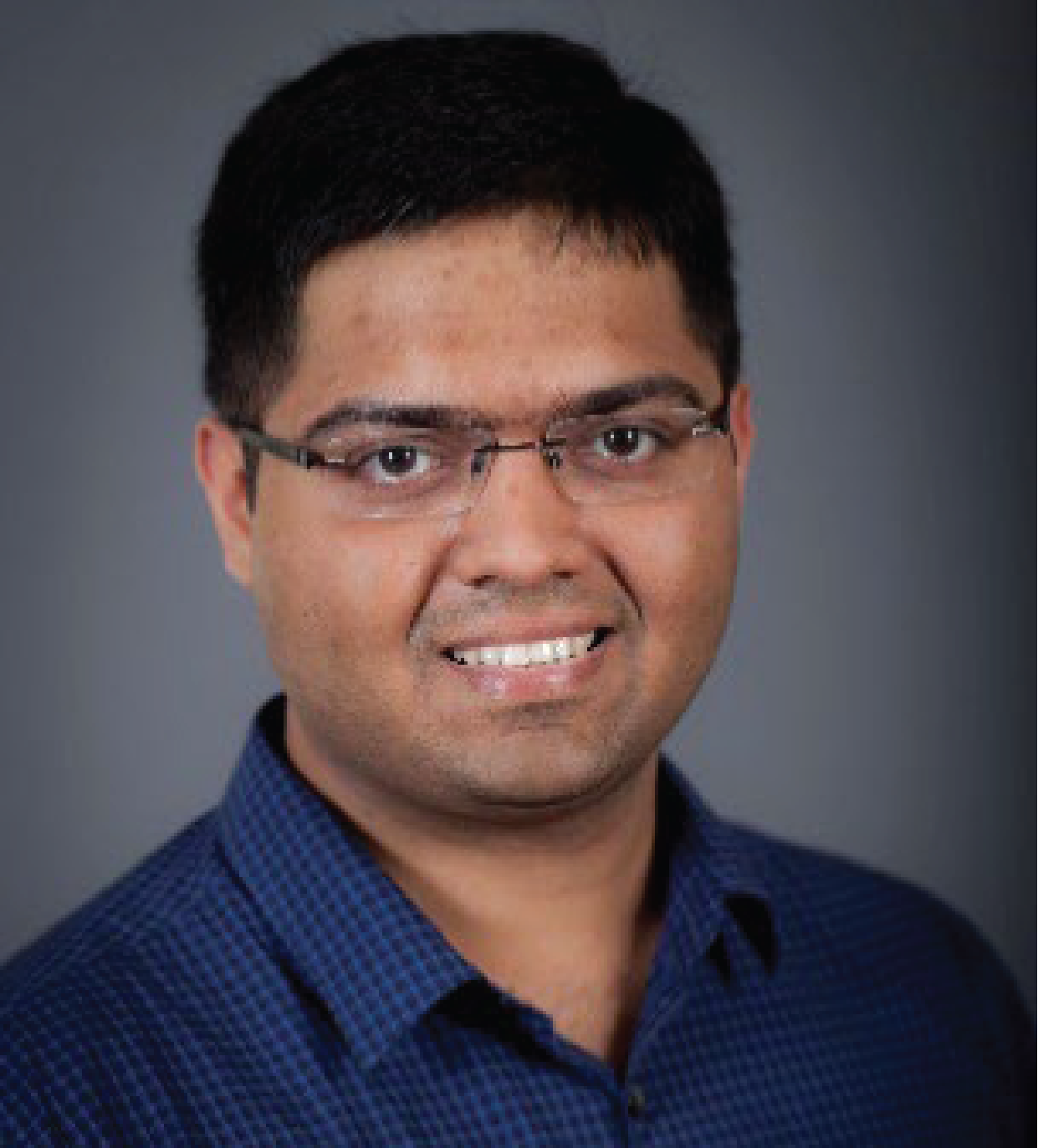
The initiative was spearheaded by Dr. Ankit Arora, Assistant Professor in the Department of Electronics Engineering, who recognised the need to modernise the laboratory’s ageing instrumentation. “When I first saw the laboratory infrastructure, the student in me wondered why we were still using instruments from my undergraduate years. The educator in me asked: Can we nurture the creators of tomorrow with the tools of yesterday?” he recalls. When bright young minds enter an IIT, their first laboratory experiences should evoke those “wow!” moments that ignite curiosity and inspire innovation. Dr. Arora felt that outdated infrastructure should not diminish this excitement.
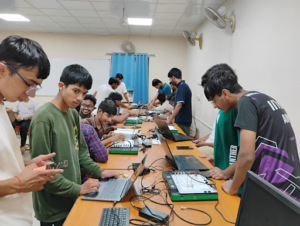
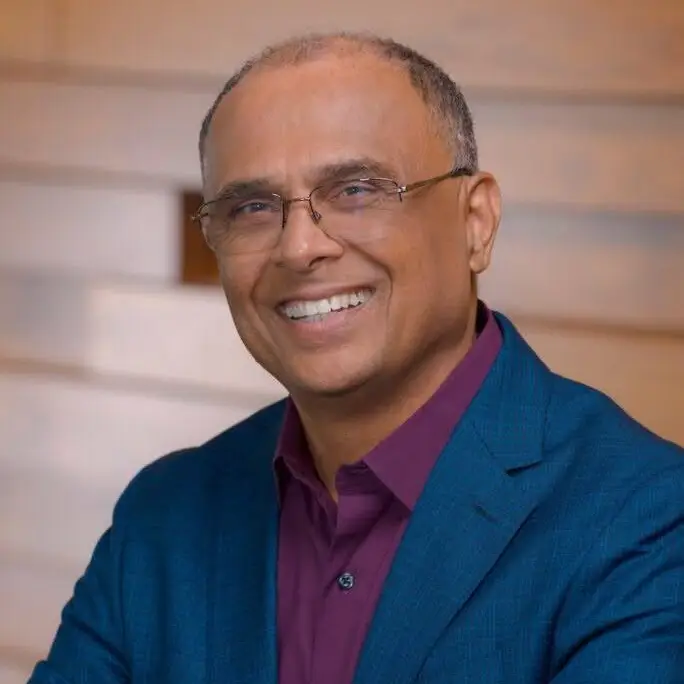
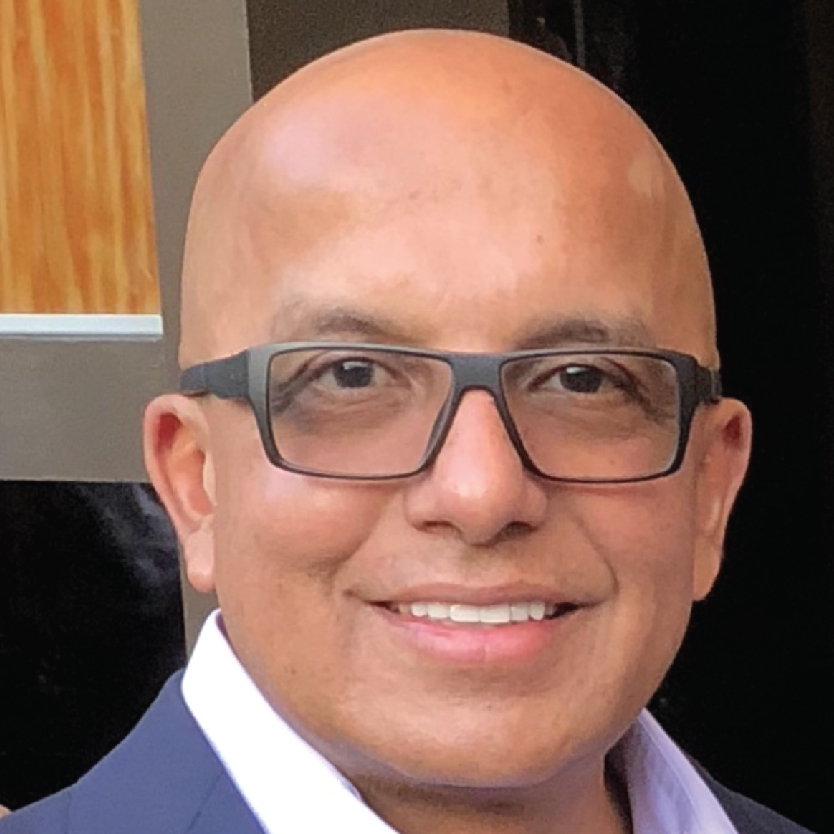
Recognising the merit of the proposal, the IIT (BHU) Foundation mobilised alumni support. Meanwhile, Dr. Arora discussed the proposal with Mr. Sunil Khanna, a distinguished ECE alumnus of the 1976 batch and former president of Emerson Network (the parent company of NI/Digilent). Mr. Khanna took up the matter with his colleagues at NI/Digilent, helping secure an exceptional academic discount for IIT (BHU).
Building on this support, the Foundation swiftly initiated a fundraising drive and successfully mobilised the required contributions within just three months. The Foundation subsequently procured the equipment and donated it to the Department, turning the proposed upgrade into reality.
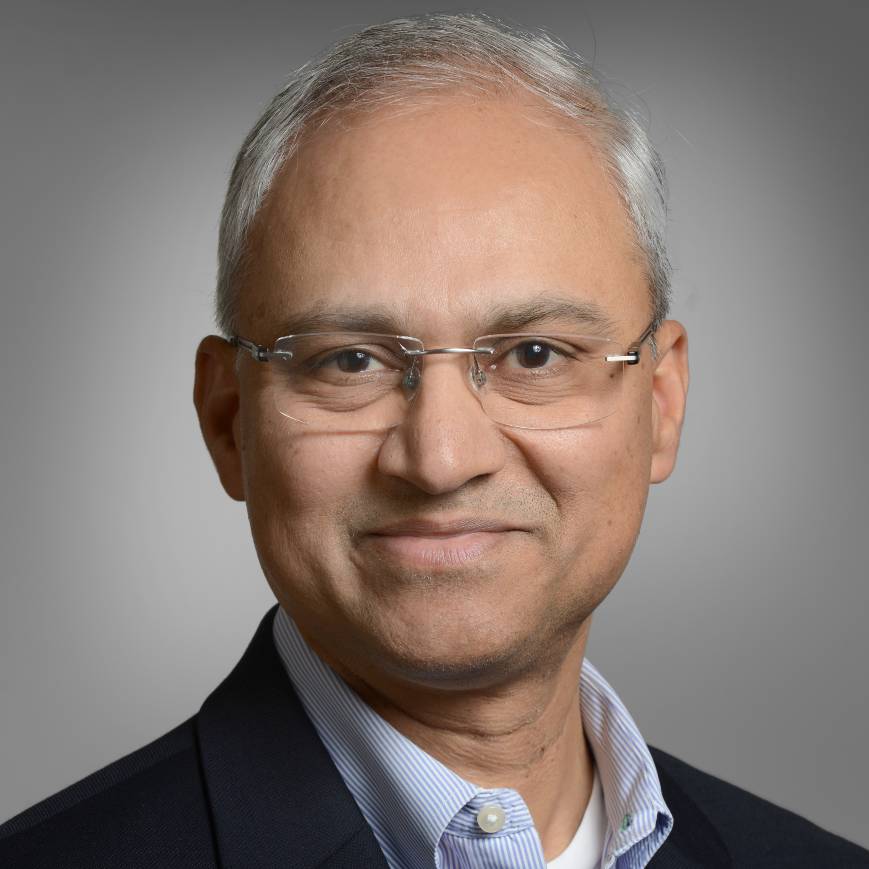
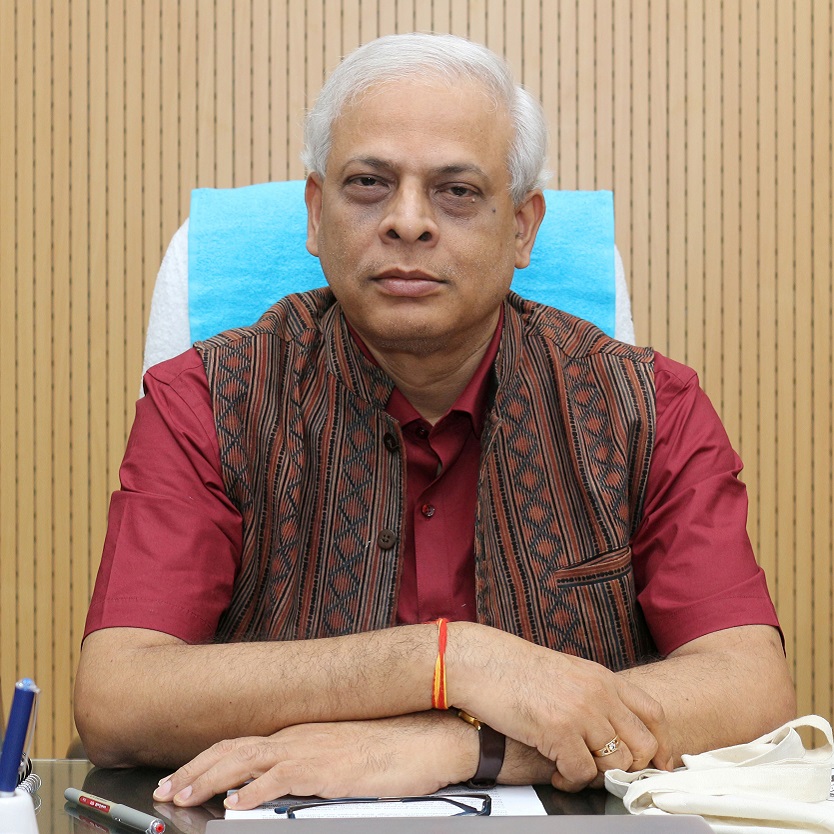
Commenting on the initiative, Dr. Amritanshu Pandey, Head of the Department of Electronics Engineering, emphasised the importance of providing students with a stimulating learning environment. He noted that students enter IITs through an exceptionally demanding selection process, years of preparation, and considerable sacrifices. It is our responsibility to provide them with the best learning environment we can offer. He expressed gratitude to the alumni for understanding the importance of this upgrade and for their generous and timely support in addressing a long-standing infrastructure need.
Impact, Aspirations, and the Road Ahead:
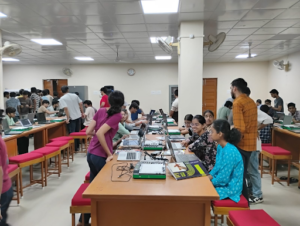
The laboratory supports foundational courses in electronic devices and circuits, serving students from the Electronics Engineering Department as well as several other departments. More than 800 students across nine departments benefit from this facility every year.
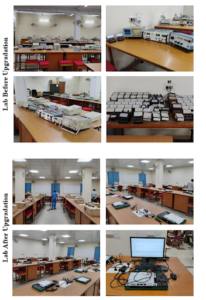
According to the laboratory technicians, the earlier setup required students to assemble multiple standalone instruments, manually vary inputs, record readings, and plot results. Much of the laboratory time was spent setting up the equipment. The new ADS Max integrates multiple instruments, enabling digital data capture, automated measurements, and detailed waveform analysis. This allows students to spend less time on manual measurements and more time understanding circuit behaviour and developing practical engineering skills.
The procured platform features a four-channel, 14-bit oscilloscope with a 50 MHz bandwidth and a sampling rate of 100 MS/s, along with two-channel waveform generators, spectrum analysis, and impedance measurement capabilities. These features will help students develop a deeper understanding of circuit behaviour and investigate phenomena more effectively than was possible with the previous infrastructure.
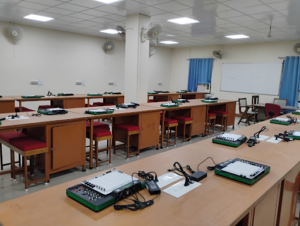
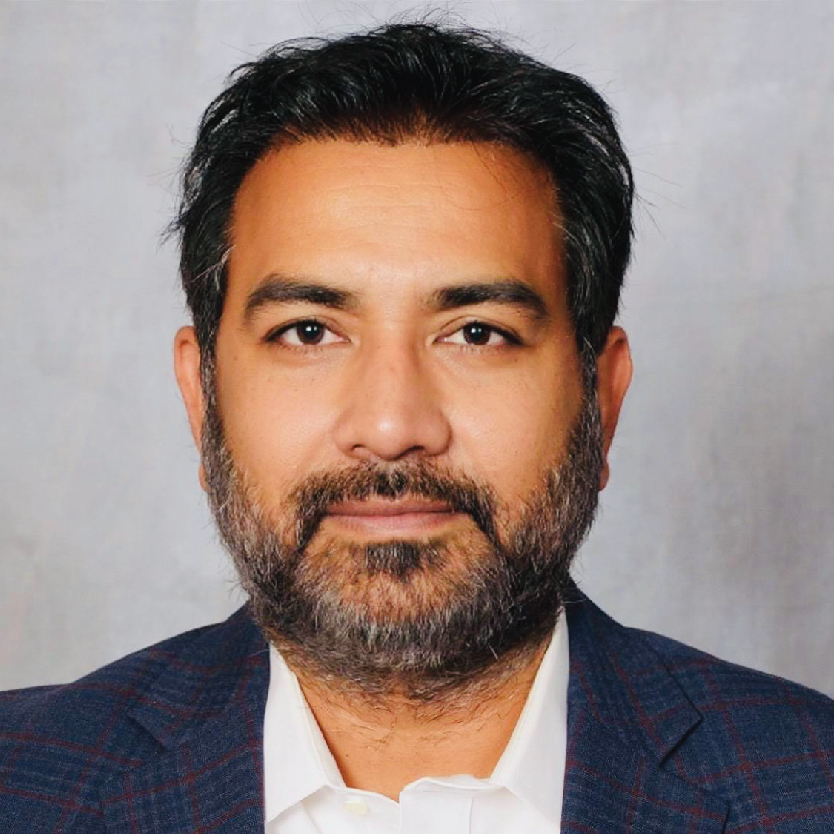
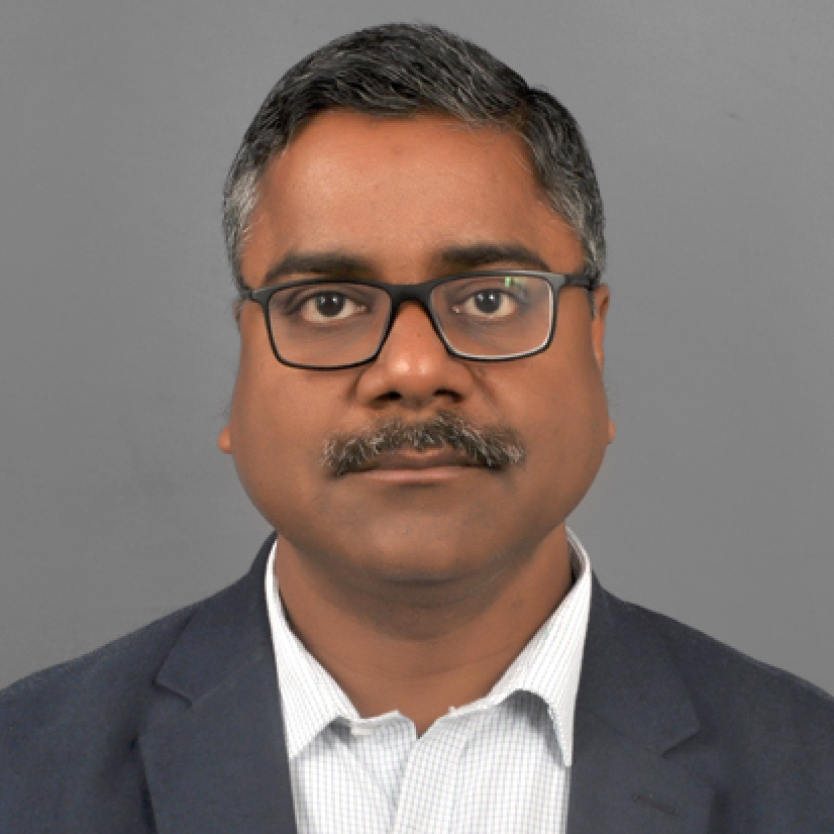
Dr. Shubham Pande, Assistant Professor in the department, who has been conducting laboratory sessions this semester, sees the upgrade as an opportunity to deepen experimental learning. “The integrated platform will enable students to investigate circuit responses, analyse waveforms, study frequency-dependent behaviour, and compare measurements with theoretical predictions more effectively. The real benefit, however, extends beyond instrumentation. The upgraded facilities will also support more challenging design and optimization problems in the Analog Circuits course, helping students engage with engineering challenges that are closer to industrial practice.”
Reflecting on his long-term vision, Dr. Arora said, “We envision a laboratory where students go beyond following prescribed procedures and maintaining records to learn how to think and work like engineers. We want to move beyond this ‘manual copying exercise’ and make laboratory sessions genuine learning experiences. Instead of giving students fixed procedures, we want to pose simple design problems with defined specifications and let them figure out the components, approach, and method of execution themselves. The emphasis should be on developing a thought process, making engineering decisions, and learning through experimentation. We believe this upgrade will help us realise this vision more quickly.”
Acknowledgements to those Who Joined the Mahamana’s Vision:
The upgrade reflects the power of alumni collaboration in strengthening the institute’s academic infrastructure. Alumni from multiple graduating batches contributed to making the initiative possible. Notable contributors include Sri Arun Garg and Sri Raj Dhodhiawala (ECE ’81); Sri Arun Rao(ECE ’83); Sri Shirish Sathaye (ECE ’84); Sri Abhay Jajoo and Sri Vivek Agrawal (ECE ’86); Sri Vipul Minocha (ECE ’87); Sri Brian Menezes, Sri Jaydeep Nag, Sri Praveen Midha, Sri Sanjeev Johri, Sri Sagar Bhimavarapu, Sri Sanjeev Taran, Sri Sanjay Sharma, and Sri Vineet Gomber (ECE ’88); Sri Himanshu Yadav (ECE ’95); Sri Mukul Agrawal (ECE ’00); and Sri Mahesh Vemula (ECE ’01).
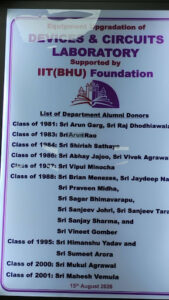
Their contributions demonstrate how alumni can play a transformative role in shaping the educational experiences of future generations. The initiative also highlights the importance of faculty members identifying meaningful opportunities for academic improvement and working with the Foundation and alumni community to realise them.
The upgraded Devices and Circuits Lab is more than a modernisation of aging infrastructure. It represents a renewed commitment to hands-on learning, independent thinking, and technological creativity. By bringing contemporary instrumentation into foundational engineering courses, IIT (BHU) is creating an environment in which students can move beyond learning how existing technologies work to discovering how they can build something better.